
From taboo to trending. Where will the pendulum settle?
This article is part of a series
by Dr Sasha Nair, Endocrinologist
On Moving Ground: Shifts in Medicine and Culture
examining the patterns emerging across medicine and culture.
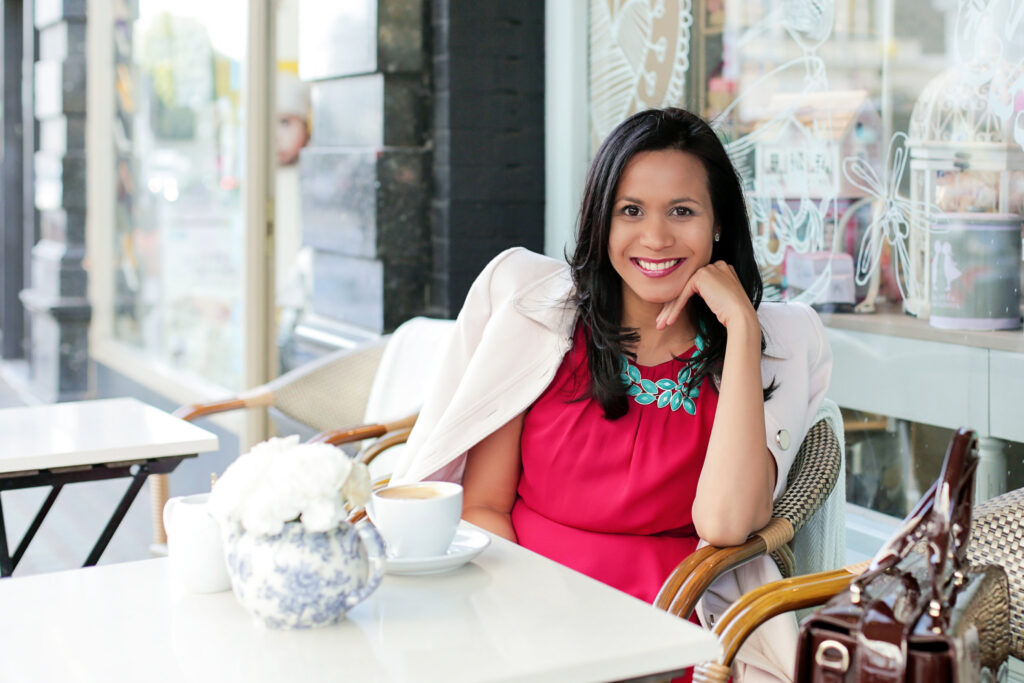
In the On Moving Ground: Shifts in Medicine and Culture article series, Dr Sasha Nair, Endocrinologist, co-founder of ERH Associates and Certified High Performance Coach (High Performance Institute), draws together clinical experience and behavioural insights to contextualise shifts in contemporary medical practice within its wider cultural dynamics.
From near silence to a surge of voices—talking, advising, selling.
What happens next?
6/10/26
For a long time, menopause was something many people felt unable to discuss. Even those ready to talk often didn’t know where to turn for information, what to expect—or whether the changes they were experiencing were related to menopause at all.
Now, sometimes it seems like menopause is everywhere: on magazine covers, across social media, in workplace policies and in everyday conversations. Alongside personal stories, public advocacy, medical information and treatment options, a growing marketplace of advice, influencer content, products and promises has also evolved.
This newfound visibility matters. It has opened doors.
Clinicians, advocates, everyday people and influencers all contribute to the conversation, sharing knowledge, perspectives and personal experiences. Some contributions inform; others reassure, inspire or simply help people feel less alone. Yet the sheer volume can make it harder to work out what applies to you—and to recognise when something isn’t well-founded.
The pendulum has swung. But its current trajectory
probably won’t continue indefinitely.
Today’s heightened focus on menopause—with its conflicting advice, extremes of opinion, promises (and the fear of missing out or getting it wrong that can accompany all of this)—probably won’t remain at this intensity. As attention shifts to other emerging health topics and the loudest debates run their course, there is the potential for a more cohesive and balanced approach. But where the pendulum settles will be shaped by what we do along the way.
How can we use this momentum to create lasting improvements in care—and help women feel better informed, supported and able to make choices about their midlife wellbeing?
What could we make possible?
“I just want to feel like myself again.”
We hear this often in consultations. Sometimes it means relief from symptoms that erode quality of life. Sometimes it carries a broader hope: feeling purposeful, connected, comfortable in your own body—even beautiful, which can be deeply relevant to our wellbeing as women—with a stronger sense of self.
Menopause and its associated hormonal changes can be part of that picture. But midlife also brings other changes in our bodies and lives: children’s changing needs, ageing parents, work pressures, relationships and shifts in roles and identity. These can overlap and influence one another. Understanding what someone in midlife needs means making room for that whole picture.
Could we move beyond the expectation to “just get on with it”—to tolerate the changes, keep meeting our responsibilities and carry on as before—towards taking our experiences, not just our symptoms, seriously, understanding what is happening in our bodies, minds, relationships and lives, and recognising the choices we have about how we respond?
The experience we bring to midlife can offer insight, accumulated knowledge and strength developed through facing difficulties and persevering. Knowing ourselves better can also bring greater freedom to express who we are, with less self-consciousness—and beauty that feels more fully our own. A body cared for with love and attention to its health may become stronger than it was when we were pushing it towards an ideal.
Could these be ways for our sense of self, beauty, purpose and joy to become richer than ever, if that is something we want to explore?
We now have a huge network of resources available. What might become possible if women had a clearer map to navigate it—and tools to identify which resources are credible and relevant to their own journey?
How could we help it happen?
Making good medical care and education more accessible is an important part of this—including for women who cannot afford private care. That means clearer pathways to appropriate care, alongside credible information that is freely available and easy to understand.
Each woman’s experience of midlife is her own, and each of us can shape our journey by understanding our needs, making choices and drawing on support. Prioritisng our own wellbeing can also help shift the culture—first through what it makes possible for us, and then through what we model for our daughters and others: that women’s needs, desires, aspirations and choices deserve attention throughout life.
For many of us, though, being busy and exhausted can make self-care and personal development feel like just another burden. We may not have the option of stepping away from our responsibilities for a week or a month to recover, “find ourselves” or work things out. We need ways to do that within the lives we’re already living: noticing what drains or restores us, recognising what we need and making small, manageable changes, one consistent step at a time.
With a clearer map to navigate the resources at our fingertips—and tools to identify which are credible and relevant to our own journey—we could spend less energy sifting through information and more on putting what helps into practice. Through our educational platforms and services, we’re continuing to build that map: curating resources, explaining their value and clarifying pathways to care, while developing tools to help us understand ourselves and shape our own direction.
Where the pendulum settles is still ours to influence.
We can use this moment to make good care more accessible, understand ourselves more deeply and find resources that help us pursue what matters to us. We can make room for midlife to hold more than endurance: the possibility of a richer sense of self, beauty, purpose and joy.
That shift can begin within the lives we already have, one consistent step at a time. What we then share—in conversations, in our choices and in what our children see—can help change the story and the culture of midlife itself.
What do you want to make possible for yourself—and what might that make possible for the women who come after you?
This article is part of On Moving Ground: Shifts in Medicine and Culture, a series examining the patterns emerging across medicine and culture.
Healthcare rarely changes in straight lines. Ideas gather momentum, conversations widen, and priorities shift — sometimes gradually, sometimes all at once. Over time, what once felt settled begins to move.
After two decades in clinical practice, I have learned that these movements are rarely random. What appears sudden is often building quietly beneath the surface. Disruption is followed by adjustment; adjustment gathers its own momentum — and the cycle continues.
On Moving Ground explores these wider shifts: how medical practice is shaped not only by evidence, but by culture, policy, technology and expectation. Here, we step back — to see how the dots align, to recognise patterns as they emerge, and to consider what they might signal for the future.
In This Series
Cultural Shifts in the Modern Doctor’s Appointment: A Shared Pressure Point in Modern Care
How expectations, vulnerability, time pressure and information access have subtly reshaped the clinical encounter.
The Menopause Moment: From Silence to a Surge in Information. Where Next?
How menopause has become a defining cultural conversation, what its growing visibility has made possible, and how we can help turn that momentum into better care and broader midlife wellbeing.
When Medical Conversations Speed Up: Media, Advocacy and the Compression of Nuance
Why modern health debates move faster than evidence generation—and how amplification changes the tempo of trust.
Staying Oriented in a Fast-Moving World: How to Navigate Rapid Change
How clinicians and healthcare users can remain broadly informed about AI, scientific change and world events through overview and pattern recognition rather than constant real-time consumption.
PMS and PMDD: An Upcoming Cultural Inflection Point?
Why premenstrual disorders may be entering a new phase of visibility—and how their clinical realities differ in important ways from menopause.


Comments +